Long term Research
Principled, precise, and crystal clear
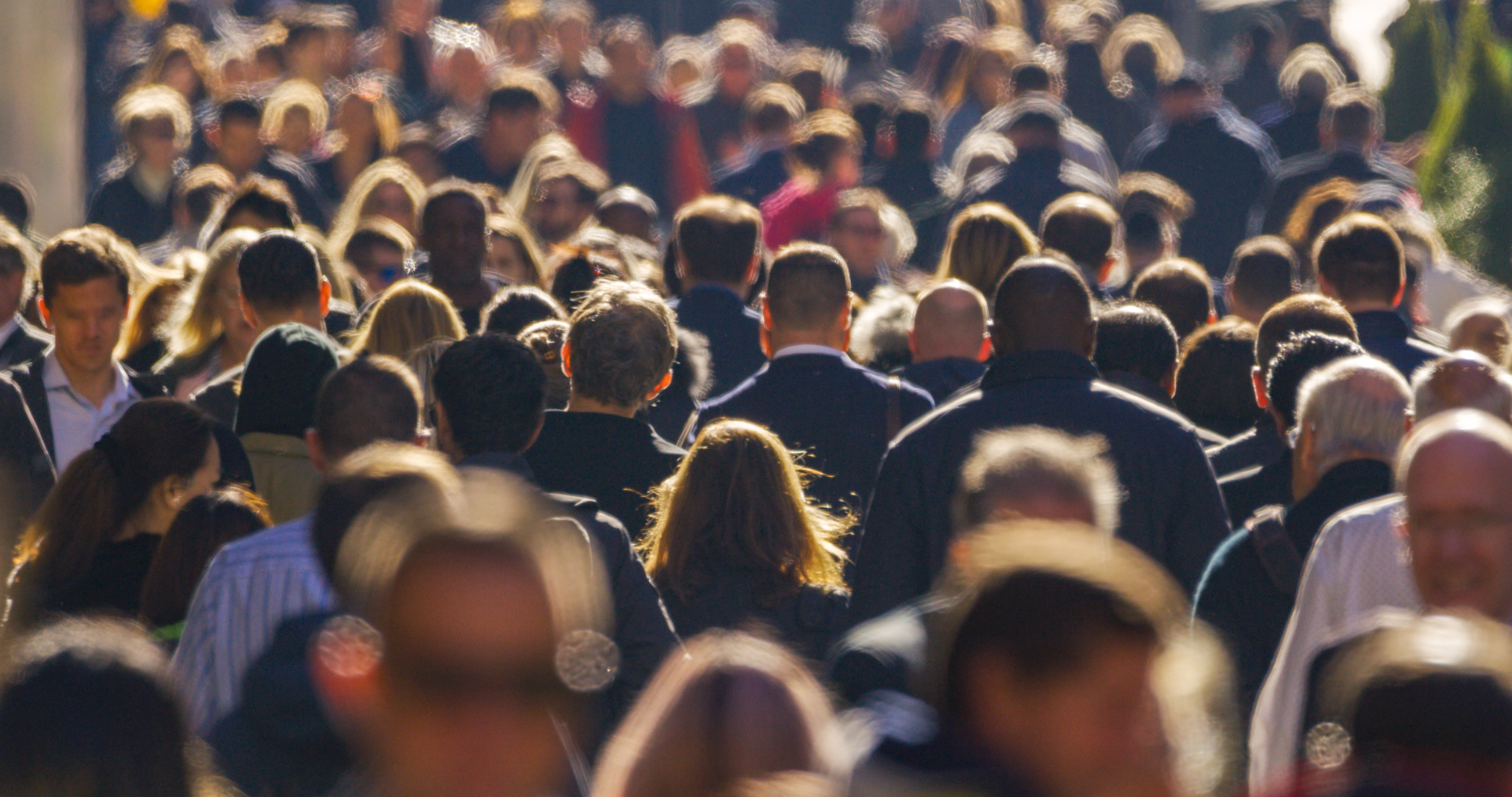
Crowdcom facilitates long-term studies on crowd levels, occupancy, and visitor numbers for the tourism sector, stadiums, and public buildings. We are introducing a leasing arrangement that takes the entire burden off your hands, allowing you to focus on the data rather than the technology. The sensors are monitored 24/7, and service is always close at hand.
View our range
Crowd flow analysis
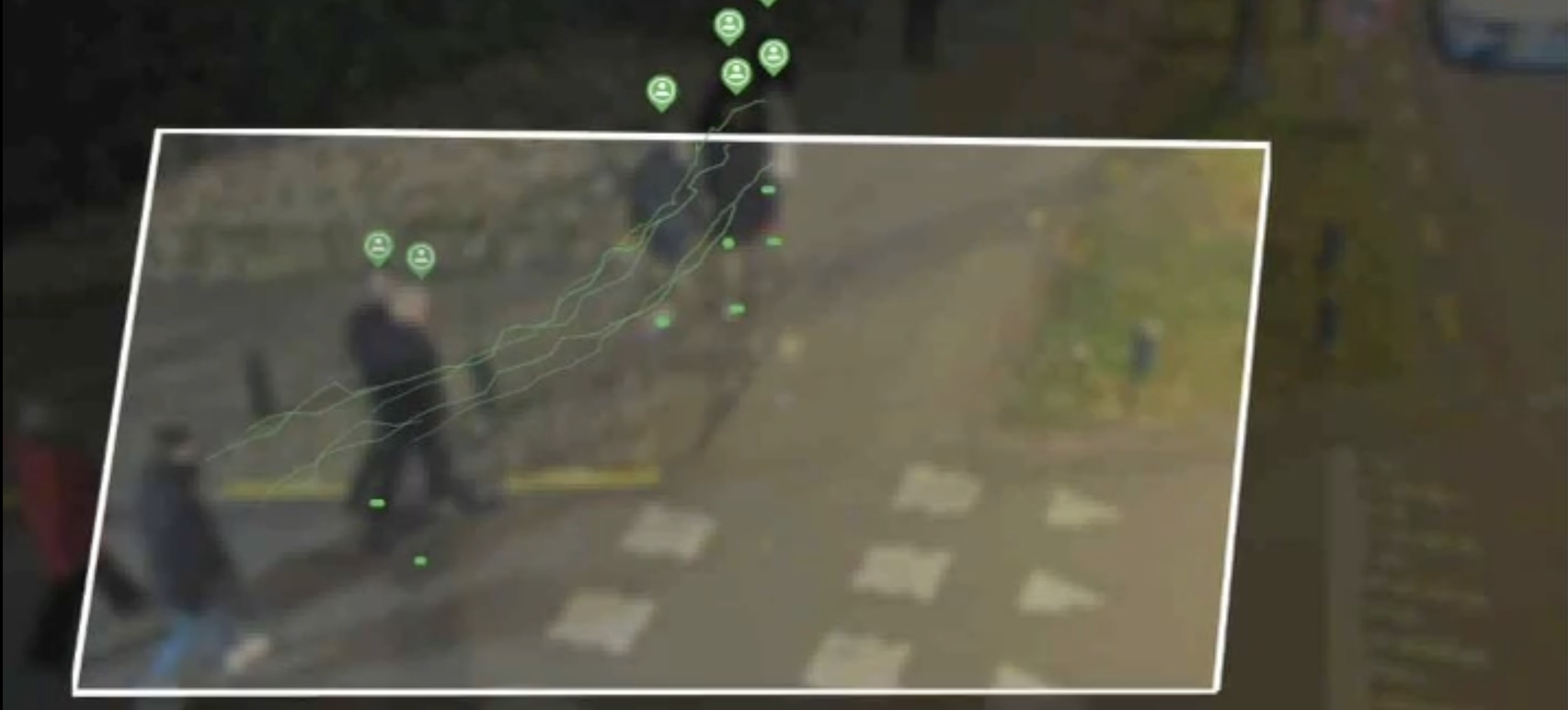
Research into crowding, routing, and occupancy
Simulation
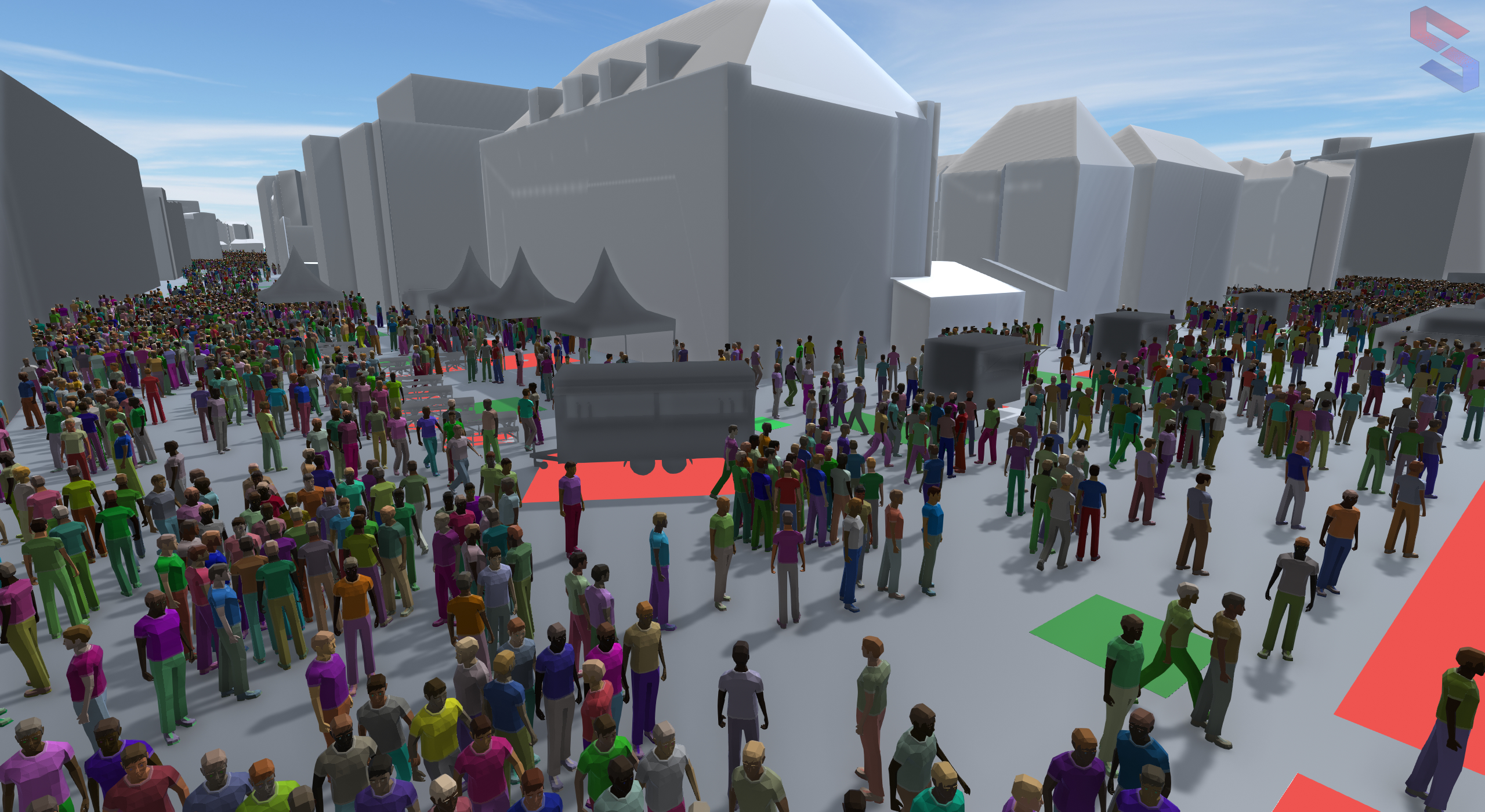
Test crowd management in advance
Traffic study
Safe and manageable surroundings for the event
Inspiratie
Crowd analysis examines factors such as crowd density and facility occupancy rates. This research is used, for example, to enhance the safety of site layouts or serves as input for architects renovating public buildings.
Yes, all data used during the event can subsequently be utilized for purposes such as simulations or further analysis. This yields valuable insights for future editions.
Yes, if desired, Crowdcom can produce comprehensive reports on measurement periods, complete with charts and analyses. Alternatively, Crowdcom can prepare the raw data in neat Excel summaries, allowing you to generate further reports yourself based on a clear spreadsheet.
Our ShowTwin software supports a virtually unlimited number of sensors. Scalability comes as standard. We conduct studies ranging from 1 to 150 locations measured simultaneously.
Simulation is a powerful tool that provides insight into crowd flows, capacity, routing, and bottlenecks within a 3D environment. It assists in making informed decisions regarding target visitor numbers, the layout of sites and routes, and the design of entrances or walkways.
Yes, simulations are always custom-made. Crowdcom has developed a special concept that makes simulation available for any event involving crowd management challenges. Read all about the development in our solution: Simulations tab.
Evaluations can be influenced by perception, especially when overcrowding or heavy crowds have been experienced. Measurements of crowd flows always add nuance to the picture; the data shows exactly what happened.
This grounds evaluations in fact and evidence, contributing to constructive improvements for the next edition.
Thorough research into crowd flows often takes an entire season. A large volume of data allows for the identification of patterns and relationships with greater certainty than a small dataset does.
In the case of football matches, for instance, the variation in match types determines whether the data is valid and can therefore be used for the research objective.